

Travel can be restorative and disorienting at the same time. Even when a trip is enjoyable, airports, schedules, unfamiliar beds, and irregular meals can leave you feeling slightly off when you get home. The first evening back is not the moment for an ambitious reset. It is the moment to make the transition easy.
That is the idea behind a first-night travel recovery routine: not to “fix” everything, but to help you arrive back in your normal life with less friction. A few simple cues — clean clothes, water, softer lighting, and a slower pace — can make the whole evening feel more settled. The goal is to stop travel from spilling into every hour of your night.

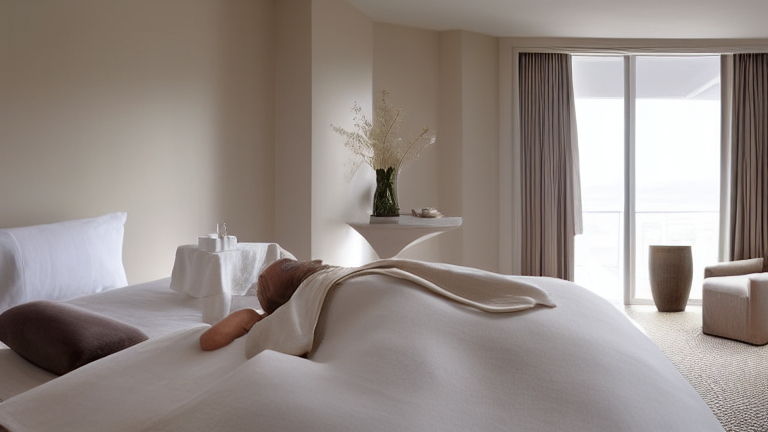
Why the First Night Matters
The first night home sets the tone for the next day. When you come back from a trip, your attention is often split between unpacking, laundry, messages, food, and the feeling that you should already be catching up. That pressure can make the evening feel more exhausting than the travel itself.
A better approach is to reduce friction. Think less about “getting back on track” and more about creating a soft landing. A warm shower, clean clothes, a glass of water, and a few quiet minutes can do more for your sense of balance than a complicated self-care plan.
It also helps to remember that travel changes your environment, your schedule, and often your sleep rhythm. Even short trips can leave you with that slightly ungrounded feeling where the day moves quickly, but your body wants a different pace. A calmer first night gives you room to catch up without rushing the process.
Recovery begins before you feel fully rested; it starts when your environment stops asking so much of you.
A Simple First-Night Recovery Routine
Keep the routine short and repeatable. You do not need to do everything perfectly. You only need to help your body understand that travel mode is over.
- Unpack the essentials first. Set aside the items you need for tomorrow, then leave the rest until the next day. A complete suitcase is not the goal.
- Change out of travel clothes. Fresh, comfortable clothing helps signal that the day has shifted.
- Hydrate before you multitask. A glass or two of water is an easy way to slow the pace after transit.
- Choose a light meal if you need one. Keep it simple and satisfying instead of trying to make the “perfect” dinner.
- Lower the sensory load. Dim the lights, reduce background noise, and put your phone on silent for a while.
- Move gently for five to ten minutes. A slow walk around the house, neck rolls, shoulder circles, or light stretching can help your body unwind.
If you want a helpful rule of thumb, keep the routine under 20 minutes. Once the essentials are done, stop there. The point is to create a sense of completion, not to turn the evening into another project.
How to Adapt It to Different Trips
Not every trip ends the same way, so your recovery routine should stay flexible. The best version is the one you can actually finish.
- After a business trip: focus on clearing your mind first. Unpack, shower, and make tomorrow’s to-do list no longer than three items.
- After a family vacation: give yourself permission to keep the evening quiet. You do not need to unpack every memory or every bag in one night.
- After a long flight: prioritize hydration, a gentle stretch, and a calm bedtime so your body has a chance to settle.
- After a road trip: release tension in your hips, shoulders, and lower back with a few slow movements before you sit down for long.
- After an early-morning arrival: focus on one calming cue — a shower, a cup of tea, or a short walk — before you try to make the rest of the day productive.
For many people, the hardest part of getting home is not the travel itself. It is the urge to immediately catch up on everything. But the more you force the evening, the less restorative it feels. A calmer sequence usually works better than a more ambitious one.
Practical Tips for Making It Stick
Small habits are easier to keep when they are visible. The most useful travel recovery routines are the ones that require very little decision-making after you walk through the door.
- Keep a “first night home” routine to under 20 minutes.
- Leave a glass for water and a comfortable layer of clothing within reach.
- Do not schedule a demanding task for the same evening if you can avoid it.
- Use one familiar cue, like a scent, playlist, or lamp, to make home feel grounding again.
- Choose one small win — unpacking essentials, setting out tomorrow’s clothes, or writing a single note for the next day — and stop there.
- If travel consistently leaves you exhausted or unwell, consider speaking with a qualified professional for personalized guidance.
You can also create a simple travel reset kit that lives in your bag or suitcase. A charger, an eye mask, a travel-size moisturizer, and a small notebook are enough to make the transition home feel a little smoother. The less you have to search for, the easier it is to settle in.
A Softer Version for Very Late Arrivals
Sometimes you do not get home with enough energy for a full routine. That is normal. On those nights, the best plan is a shorter version that still gives your body a sense of closure.
- Put your bag down and unpack only the essentials.
- Wash your face or take a quick shower.
- Drink water, dim the lights, and go to bed without guilt.
That may not feel impressive, but it is often the most effective choice. A quiet, uncomplicated first night can make the next morning feel more manageable than trying to squeeze too much into the last hour of the day.
Conclusion
Travel recovery does not need to be dramatic. It just needs to be thoughtful enough to help you return to normal life with less effort and more ease. When the first night home feels gentle, the rest of the week usually feels more manageable too.
Disclaimer: This article is for general wellness and lifestyle information only and is not medical advice.